
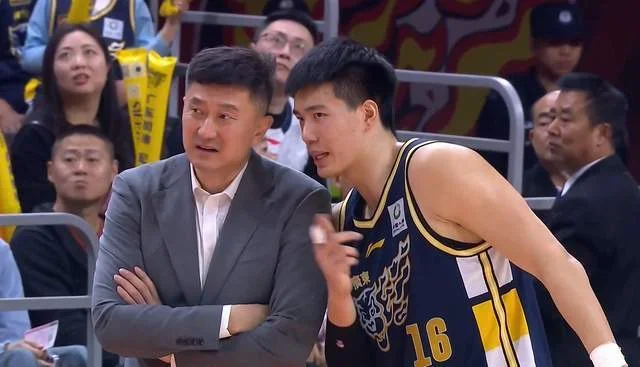
On the evening of May 12 at 19:30 Beijing time, the CBA playoff quarterfinal Game 3 will feature Guangdong traveling to face Beijing, with the series tied 1-1. This is an absolute do-or-die clash: the winner advances to the semifinals, while the loser is eliminated. The long-awaited “Beijing-Guangdong rivalry” once again ignites CBA passion, with national broadcaster CCTV5 airing the game live—a rare spotlight on a matchup steeped in historical grudges and present-day stakes.

Since the Marbury era, the Beijing-Guangdong rivalry has become the most intense symbol of CBA competition. Beijing has won four championships, three of which came by defeating Guangdong in the finals. Meanwhile, Guangdong, during their three-peat under the leadership of Wilms, twice eliminated Beijing in the playoffs with last-minute game-winners. The historical grudges and glory add an emotional weight beyond mere victory or defeat in this Game 3.
In the first two games, Beijing edged out a narrow win at home, while Guangdong fought back with tenacity to secure a dramatic victory at their home court, forcing a decisive Game 3. On paper, Beijing holds clear advantages: superior frontcourt height, wing depth, and guard rotation, along with greater overall roster depth. However, Guangdong’s team chemistry, hustle intensity, and playoff experience—especially under head coach Du Feng’s tactical adjustments and motivational prowess—serve as key counterbalances to Beijing’s strengths. Compared to Xu Limin, Du Feng’s on-court decisions and psychological edge are more penetrating.
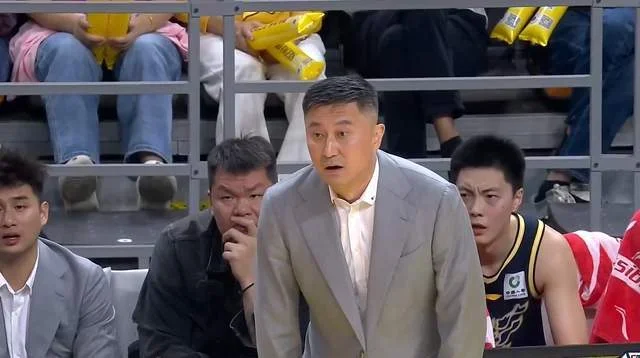
Guangdong’s fate hinges on their perimeter shooting. The three-point shooting percentage of Hu Mingxuan, Quine, Du Runwang, and others will directly determine whether the team can crack Beijing’s high-pressure defense. If the outside shots fail, Guangdong will find themselves overwhelmed inside and slowed down, likely being outlasted by Beijing’s depth and stamina in the second half.
On the other hand, Beijing’s home-court advantage could cut both ways. The lingering shadow of the previous game’s last-second defeat weighs heavily on the players, especially young talents like Zeng Fanbo, who may struggle with emotional control under high pressure. If Beijing fails to establish an early lead, the home atmosphere could shift from a boost to a burden, leading to chaotic execution.
Ultimately, this game will be decided not just by tactics but by mental resilience and adaptability. Guangdong will rely on their grit to overcome the odds, while Beijing will aim to steady their nerves and minimize mistakes. Whoever stays calm under pressure and reduces turnovers will have the upper hand. CCTV5’s broadcast is more than just a live event—it is a collective tribute to one of the CBA’s classic rivalries.
As for the outcome, with Beijing back on home turf, Xu Limin may not need to overexert his resources to contain Guangdong. Barring any surprises, Beijing could secure a comfortable victory, possibly by a margin of 20 points or more. What do you think?