
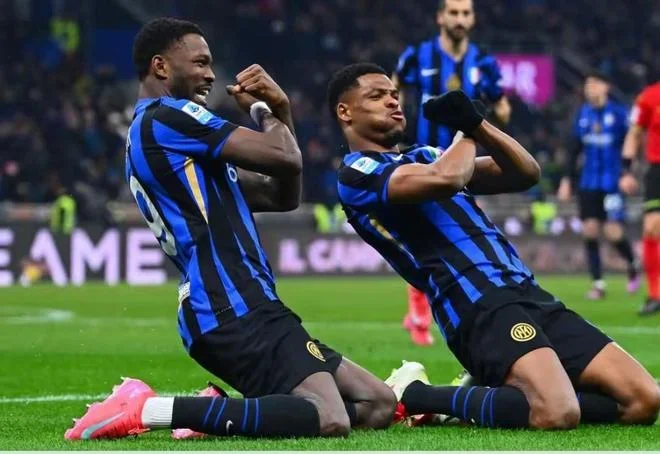
Just a year ago, Inter Milan had just wrapped up a thrilling Champions League semifinal against Barcelona, advancing 7-6 on aggregate thanks to Acerbi’s equalizer and Frattesi’s late winner, booking their second final in three years. Back in Serie A, they beat Torino 2-0 away on Matchday 36, narrowing the gap to leaders Napoli to just one point and reigniting the title race.
At that moment, Inter still had a shot at winning both trophies. But no one predicted the rapid decline over the next 20 days. Napoli were held to a draw by Chivu’s Parma on Matchday 37, handing Inter the chance to leapfrog them. Yet the Nerazzurri could only manage a 2-2 home draw against Lazio after twice taking the lead, missing the chance to go top and eventually finishing as runners-up by a single point. A week later, Inter faced Paris Saint-Germain in the Champions League final in Munich, suffering a humiliating 5-0 defeat.
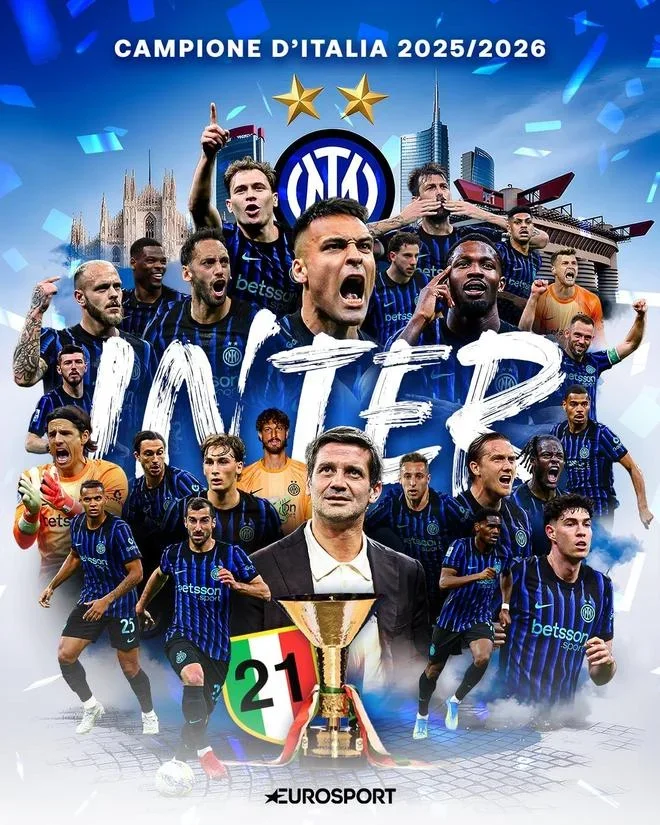
What followed is well known: Inzaghi departed for Saudi Arabia, rookie coach Cristian Chivu took over urgently, the team lost at the Club World Cup and faced a dressing-room crisis. They started the new season with two losses in the first three matches. Few could have imagined Inter would go on to win the Scudetto, and with three games to spare—a feat only achieved once before in Serie A history, by Torino in 1942/43, 83 years ago. Chivu and his players have accomplished something truly remarkable.
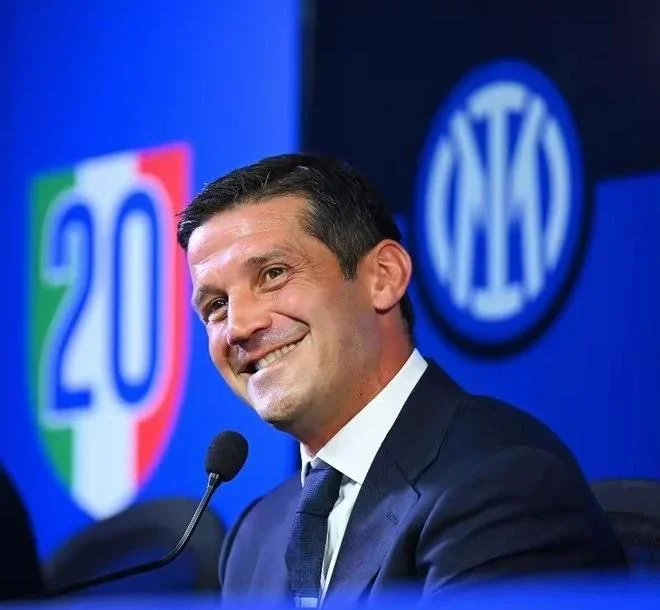
Many may think Inter’s Serie A title is just a single-season success, but it’s much more than that. It has secured a crucial period of stability and development for years to come. There are two key reasons.
First, it has preserved team stability to the greatest extent. When a team suffers poor results and forced coaching changes, chaos often follows, and that turmoil can be long-lasting. After Inter’s historic treble in 2010, Mourinho’s departure triggered a cycle of managerial changes and instability. The team finished second the following year but then steadily declined, partly due to financial struggles and reduced investment, but also because constant coaching changes disrupted squad building and tactics. Juve and AC Milan have experienced similar problems, with frequent managerial turnover leading to constant rebuilding and instability.
Inter’s core squad has been built over five to six years. Poor results and further coaching changes could have led to a massive rebuild, hurting competitiveness. Chivu’s Scudetto-winning campaign has ended last season’s chaos, ensuring continuity in squad and tactics, and allowing the club to stick to its established recruitment and development direction.
Second, it has boosted Oaktree Capital’s confidence in their investment. Apart from passionate owners like Moratti, all investors seek returns, especially a fund like Oaktree. Oaktree has been at Inter for two years, initially cautious, before starting major initiatives last summer, including squad rejuvenation, forming an U23 team for Serie C, and advancing a new stadium project.
This season, Inter may not have progressed from the Champions League group stage as hoped, but winning the Scudetto was an overachievement. They still have a chance to win the Coppa Italia and complete a double. Beyond sporting success, Inter have also achieved financial gains, posting consecutive profitable years despite lower Champions League revenue and no Club World Cup. These returns have given Oaktree greater confidence in further investment.
According to the latest reports from *La Gazzetta dello Sport*, Oaktree plans to increase its investment in Inter and continue its long-term strategy. First, infrastructure upgrades: Oaktree has already invested about €100 million in renovating the Appiano Gentile training ground and the club’s youth academy. The new dressing room and fully refurbished medical center will be operational next season. By year-end, the U23 team’s dedicated training ground and accommodation will be completed, fully integrating the first team and reserves training system. The club has also acquired land around the academy for future construction and renovation.
Second, after the title celebrations, the club will hold a management meeting to review the season and plan for the future, with Oaktree representatives, club management, and Chivu attending. Although the meeting hasn’t taken place, key principles are already clear: Oaktree has agreed to provide at least €50 million in transfer funds, a significant increase from the previously rumored €40 million. This amount is flexible—if good opportunities arise in the market, extra funds can be allocated. Last summer, Inter spotted a chance to sign Lookman but, after bringing in Bonny, had no room for another forward. Oaktree still authorized a special transfer budget, reportedly offering over €40 million, though Atalanta turned it down.
While Oaktree aims to rejuvenate the squad, they are not strictly age-obsessed. After tasting success with the signing of Akanji, the club sees players past their peak but with top-level quality and leadership as key reinforcements.
Oaktree’s operational goal remains building a squad that can maintain top competitive performance while ensuring financial sustainability. Marotta has said: “You can’t win titles with only young players. You must combine experience and strong mentality. We need to maintain a high level, pursue sustainability, and win with a balance of youth and experience.”
Oaktree is very satisfied with Chivu’s performance this season, especially his attacking style, which aligns with their desire for more entertaining and attractive football. In their view, Inter under Chivu not only remains competitive but also increases exposure and discussion, helping attract new fans and enhance commercial value.
So Inter’s Serie A triumph is not just about winning one season. With Oaktree willing to invest more, the team can maintain stable, clear development plans. The future looks bright. Forza Inter, keep winning!